Luxury OCD Residential Treatment Centre in India
Life doesn’t have to revolve around rituals. Abhasa’s luxury OCD program blends therapy and care to restore calm and control.
Break Free from Anxiety. We are here to help you.
2:1 Staff-to-client ratio
3 Healing Spaces
Personalised Treatments
360° Healing
2:1 Staff-to-client ratio
3 Healing Spaces
Personalised Treatments
360° Healing
Luxury OCD Residential Treatment Centers in India

Obsessive-compulsive disorder affects both the individual and those who care for them.[1] As one of the best OCD residential treatment centres, we offer more than therapy. We provide a peaceful, structured environment that supports lasting healing through connection, calm, and guided care.
Our approach at OCD treatment centres focuses on the person, not the diagnosis. We listen with care, understand their unique experience, and create a recovery plan that restores their confidence and sense of control. Our spaces feel nothing like a hospital. They feel like a sanctuary where each day brings moments of growth.
Many families try outpatient care before exploring residential support. But when the routines intensify, when anxiety overshadows daily life, and when everything starts to revolve around avoiding discomfort, a residential setting becomes the right next step. [2] It offers consistency, safety, and round-the-clock care that outpatient programs cannot match.
Families trust Abhasa because we combine luxurious living spaces, personalised care, and strong family involvement. Every detail of our program supports the person and their emotional world. We help clients rebuild their sense of self through gentle routines, one-on-one guidance, and deep respect for privacy.
You do not have to keep guessing what to do next. We are ready to help you take the first step.
Break free from OCD. Call now to begin the journey.
Abhasa is a sanctuary where OCD recovery feels possible.
Understanding Residential Obsessive-Compulsive Disorder (OCD) & Treatment Overview
What Makes Residential OCD Treatment Different
Many families believe that obsessive thoughts and compulsive habits can improve with medication or short-term therapy.[3] While that may help some people, real change often needs a deeper, more immersive setting.[2] Residential care offers something outpatient programs cannot—a consistent, focused environment that supports change from the inside out.
At OCD treatment centres in India, recovery involves more than just managing symptoms.[3] It means helping someone reclaim their time, reduce anxiety, and build routines that feel safe instead of overwhelming. The proper obsessive-compulsive disorder treatment gives structure and space to step away from the thoughts that take over.
What sets residential care apart?
In outpatient care, people may leave sessions and return to the same triggers that fuel their distress. At home, small daily routines can spiral into hours of compulsions. Without continuous guidance, willpower alone may not hold up.
In Abhasa, a residential OCD treatment centre in India, every detail supports healing. From the moment someone wakes up to the time they wind down, they follow a calm, intentional rhythm. The space stays quiet, the expectations remain clear, and the support stays constant. That consistency helps break the cycle that obsessive-compulsive disorder treatment aims to interrupt.
Why OCD needs this level of care
OCD is more than just preferences or perfectionism.[1] It is a pattern of fear, doubt, and rituals that feel impossible to pause. The urge to act remains powerful even when someone knows their thoughts don’t make sense.[4] That’s why short bursts of therapy may not be enough.
In residential settings, the person learns how to sit with discomfort, gently delay their compulsions, and gradually rebuild confidence. Over time, the tools of obsessive-compulsive disorder treatment become second nature. They do not have to face it alone, and they do not have to figure it out in a chaotic world.
Why families choose this approach
At our OCD treatment centres in India, families see a visible shift. The person they love begins to engage more, worry less, and gain back moments of freedom. They eat with focus, sleep peacefully, and move through each day with fewer compulsions.
That progress happens because the environment works alongside the therapy. The meals, the mindfulness practices, and the guided exposure sessions work together to support healing.
You don’t have to wait for things to get worse. We are here to help you take the next step.
What Makes Residential OCD Treatment Different
Many families believe that obsessive thoughts and compulsive habits can improve with medication or short-term therapy.[3] While that may help some people, real change often needs a deeper, more immersive setting.[2] Residential care offers something outpatient programs cannot—a consistent, focused environment that supports change from the inside out.
At OCD treatment centres in India, recovery involves more than just managing symptoms.[3] It means helping someone reclaim their time, reduce anxiety, and build routines that feel safe instead of overwhelming. The proper obsessive-compulsive disorder treatment gives structure and space to step away from the thoughts that take over.
What sets residential care apart?
In outpatient care, people may leave sessions and return to the same triggers that fuel their distress. At home, small daily routines can spiral into hours of compulsions. Without continuous guidance, willpower alone may not hold up.
In Abhasa, a residential OCD treatment centre in India, every detail supports healing. From the moment someone wakes up to the time they wind down, they follow a calm, intentional rhythm. The space stays quiet, the expectations remain clear, and the support stays constant. That consistency helps break the cycle that obsessive-compulsive disorder treatment aims to interrupt.
Why OCD needs this level of care
OCD is more than just preferences or perfectionism.[1] It is a pattern of fear, doubt, and rituals that feel impossible to pause. The urge to act remains powerful even when someone knows their thoughts don’t make sense.[4] That’s why short bursts of therapy may not be enough.
In residential settings, the person learns how to sit with discomfort, gently delay their compulsions, and gradually rebuild confidence. Over time, the tools of obsessive-compulsive disorder treatment become second nature. They do not have to face it alone, and they do not have to figure it out in a chaotic world.
Why families choose this approach
At our OCD treatment centres in India, families see a visible shift. The person they love begins to engage more, worry less, and gain back moments of freedom. They eat with focus, sleep peacefully, and move through each day with fewer compulsions.
That progress happens because the environment works alongside the therapy. The meals, the mindfulness practices, and the guided exposure sessions work together to support healing.
You don’t have to wait for things to get worse. We are here to help you take the next step.
Residential OCD care that restores balance and confidence.
Why Choose Residential Treatment for OCD

When Home Routines Fall Short
You may already give everything: your time, love, and energy. You encourage them, reassure them, and hope each day feels lighter. But despite your efforts, the rituals continue. Conversations become shorter. Smiles fade. They seem more withdrawn. When that happens, home care alone may no longer be enough.
In these moments, an OCD rehabilitation centre becomes essential. It provides care and the right kind of support in the right environment. It offers structure, stability, and gentle guidance every single day.

24/7 Support Structure
At our OCD rehabilitation centre, support does not pause. Whether early morning or late evening, someone is always available to listen, guide, or sit with a client when things feel overwhelming.
Having a consistent presence makes a significant difference. It replaces uncertainty with reassurance, so clients no longer feel lost between sessions or unsure how to handle complex thoughts. Each day includes emotional check-ins, supportive conversations, and a clear sense of direction.
Knowing that help is always within reach allows clients to breathe easier, focus on recovery, and slowly trust the process again.

Intensive Therapy Benefits
One of the most essential parts of care is exposure response prevention therapy.[4] This practice happens every day.[2] Clients learn to face their feared thoughts and stop the usual compulsions.[5] As they go through each session, they build strength and self-control. Over time, exposure response prevention therapy changes how they respond to stress.
Our therapists tailor the process to each client’s comfort and readiness. Nothing is forced. Instead, progress unfolds through steady encouragement.

Environmental Control
A healing space must do more than offer therapy; it must gently support the nervous system, the senses, and the mind. At our OCD rehabilitation centre, every element of the setting is intentionally designed to lower stress: the lighting, the quiet routines, and the absence of everyday noise and clutter matter.
Clients live in an environment that stays steady. Meals happen on time. Sessions unfold in calm surroundings. There are no unpredictable triggers, no rush, no overstimulation. In this rhythm, compulsions lose urgency, and thoughts feel less overwhelming.
This kind of atmosphere does not just comfort the body. It gives the mind the stillness it needs to begin unlearning old patterns. That is when real healing begins.

Peer Community
OCD can create deep isolation. At our OCD rehabilitation centre, people meet others who understand their struggle. Group therapy and shared activities offer a sense of connection and belonging. Clients begin to realise they are not broken. They are healing together.

Family Involvement
OCD does not just affect one person.[6] It shapes the lives of everyone close by. That is why we invite families to take part in the recovery process. Through guided sessions, education, and open conversations, families gain the tools to support healing long after rehab ends.
We offer regular updates, family workshops, and personalised coaching to ensure every member feels informed and empowered.[7]
Abhasa’s calm settings where compulsions lose urgency.
Why Families Trust Abhasa for OCD Treatment
A Different Kind of Care That Families Feel Right Away
Families arrive at Abhasa after watching rituals slowly take over their loved one’s life. They bring worry, confusion, and years of emotional strain. Here, they do not just receive a treatment plan. They find space to pause, breathe, and finally feel seen.
This foundation of empathy places Abhasa among the best OCD treatment centre options in India. From the first interaction, we focus on making people feel safe, respected, and supported.
Our surroundings reflect that same philosophy. Unlike clinical environments, Abhasa looks and feels like a retreat. Families find peace in our green spaces, warm interiors, and personalised care settings. Our luxury OCD rehabilitation centres include private suites, curated menus, spa treatments, and wellness therapies that work gently alongside core therapy.
Support That Adjusts to the Individual
OCD looks different in every person.[1] Some face mental rituals, others carry physical ones. Our team never forces a rigid protocol. Instead, we shape each recovery plan based on how the client feels, progresses, and responds. That flexibility helps each feel empowered, not overwhelmed.
Families trust our best ocd treatment centre because we care. We listen, adapt, and stay present throughout the journey.
Families Learn and Grow Together
OCD also affects the people who live beside it.[6] That is why we include families from the beginning. At our luxury OCD rehabilitation centres, we offer family education sessions, skill-building workshops, and emotional coaching that help loved ones understand what helps and what harms.
This shared understanding improves communication and reduces guilt on both sides. Recovery becomes a team process.
Healing Through Body, Mind, and Spirit
Our approach combines science with tradition. We balance structured therapy with yoga, art expression, meditation, movement, and nature walks. Clients benefit from a rhythm that includes clinical support and daily wellness practices.
This whole-person model is one reason families call Abhasa a luxury OCD rehabilitation centre experience that genuinely transforms lives.
Your Privacy Matters
People can only heal when they feel safe. We take privacy seriously. Every client receives individualised attention without disruption. Our staff works quietly, respectfully, and professionally at all times.
At our best OCD treatment centre, confidentiality shapes how we communicate, plan therapy and design living spaces. Everyone has room to open up without fear.
Understanding Indian Family Dynamics
Mental health often feels like a private struggle within Indian homes. We approach these moments with cultural care. Whether we explain OCD to parents or guide families through emotional habits, we speak in a way that resonates.
This culturally sensitive approach places Abhasa among the few best OCD treatment centre options that align with Indian values.
Real Progress That Families Can Feel
We measure success in smiles, steady breath, and restful sleep. Families often notice the change even before the client does. These shifts, which include less anxiety, more presence, and brighter energy, reflect deep healing at work.
This kind of transformation is why so many families call us one of the most trusted luxury OCD rehabilitation centres in India.
Families trust Abhasa because healing feels real.
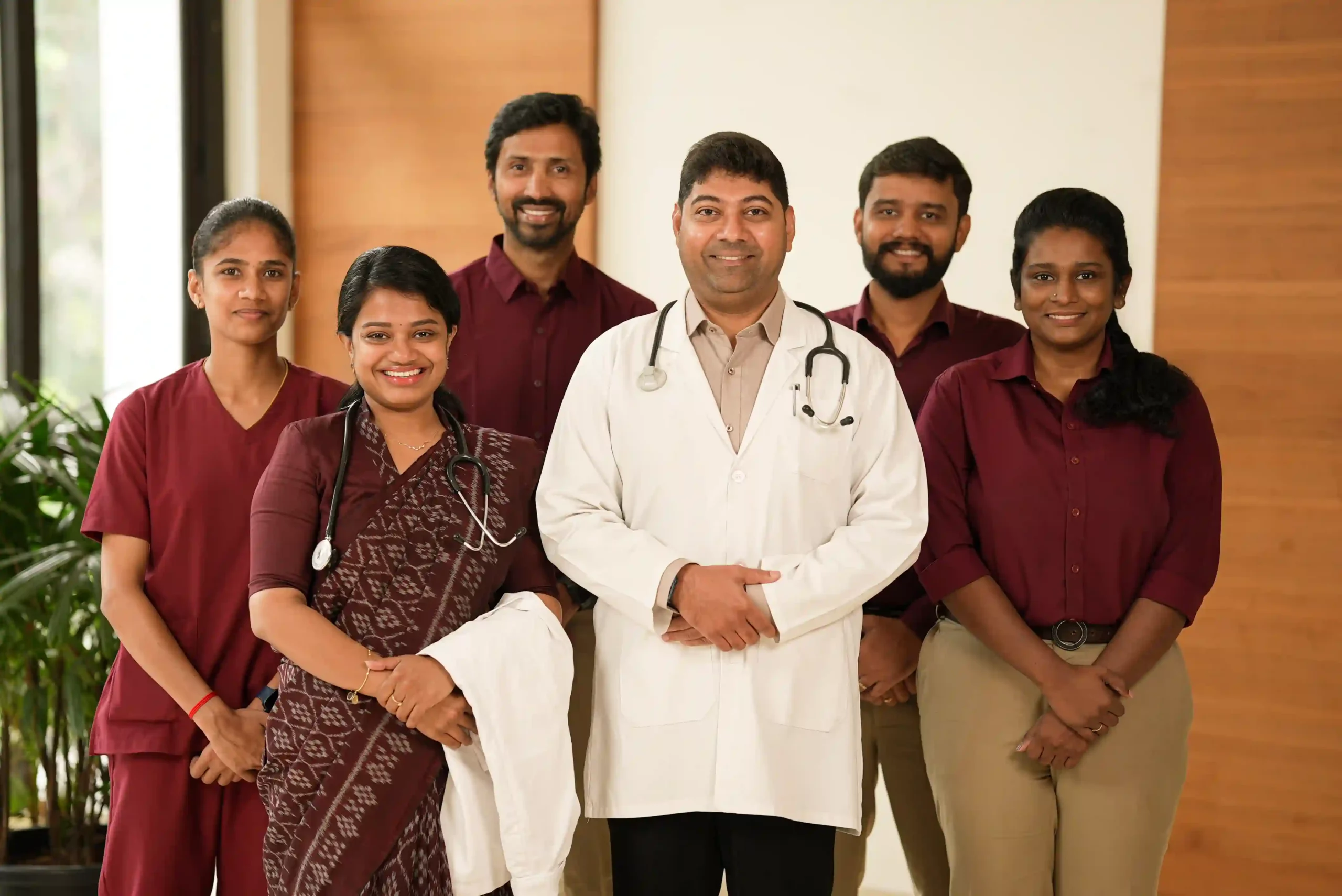
Meet the People Guiding OCD Recovery at Abhasa
At Abhasa, recovery starts with the right people. Our team includes compassionate professionals who bring experience, patience, insight, and a deep respect for what each person is going through.[8]
Each of our ocd specialist doctors and therapists brings their strengths, whether it’s years of working with families, specialisation in behavioural therapy for OCD, or the ability to gently guide someone through a difficult day.
Real recovery needs more than a plan. It needs people who genuinely care.
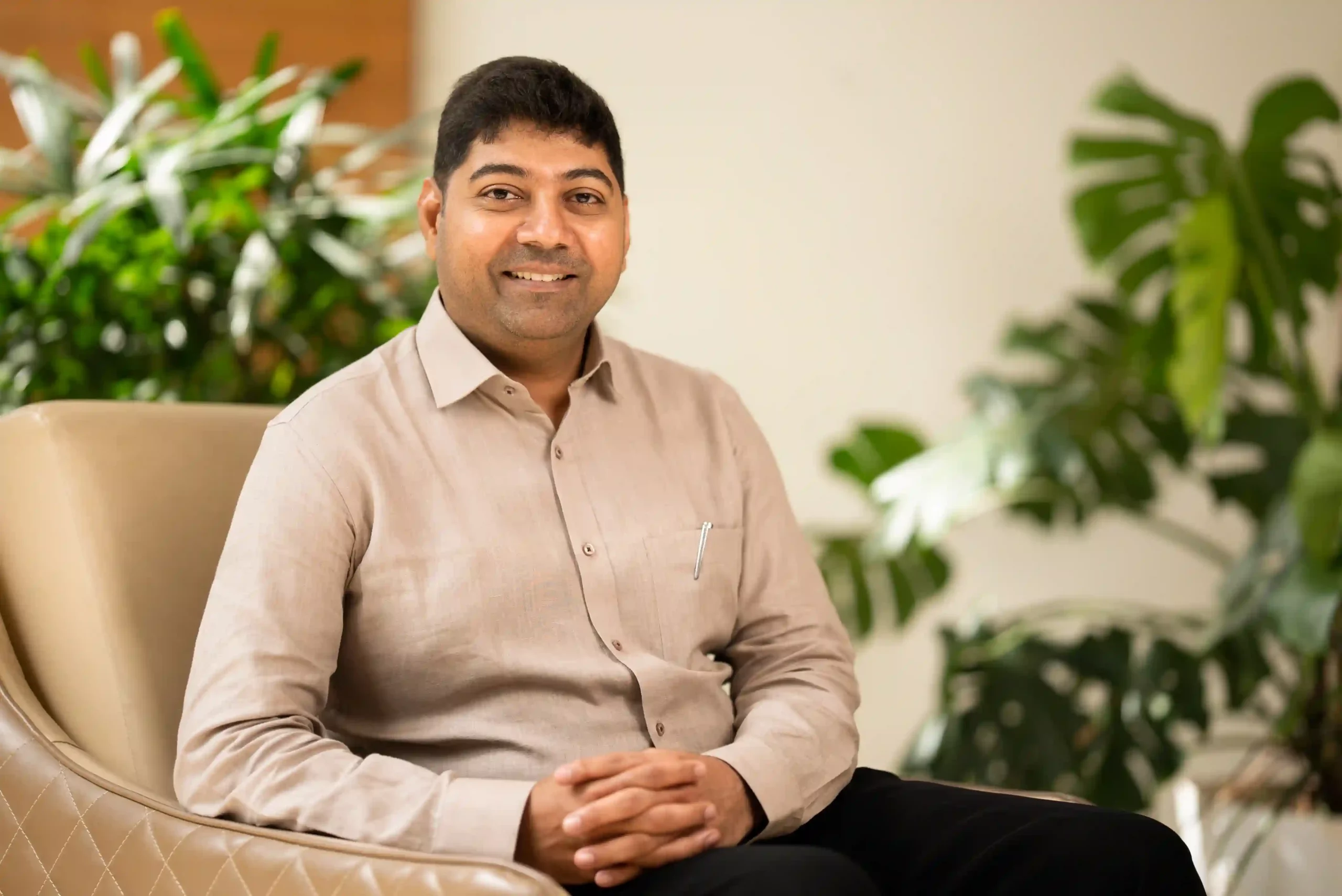
Dr. Naveen Kumar
Medical Director
15+ years of expertise in psychiatry and addiction recovery.
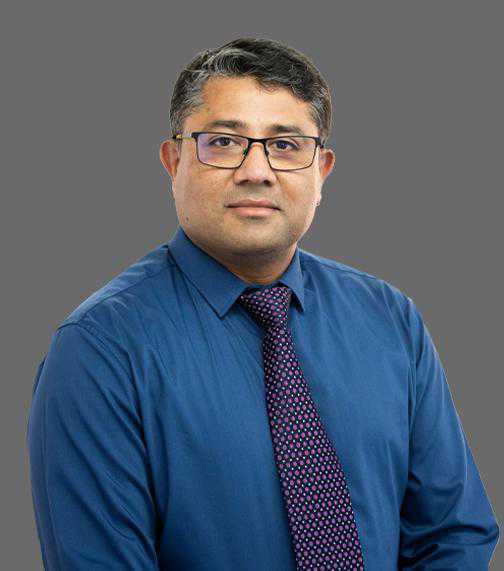
Dr. Vivek Sharma
Consultant Psychiatrist & Neurofeedback Practitioner
With over 15+ years of experience in psychiatry and neurofeedback, he blends medical expertise and compassion to guide clients toward lasting recovery.

Dr. Shree Aarthi
Consultant Psychiatrist
15+ years providing expert psychiatric care for mental health and substance use disorders.

Dr. Ramalingam P Kandaswamy
Consultant Physician
15+ years With over 5 years of experience in HIV and infectious diseases, he brings global expertise and compassionate care to every patient he supports.
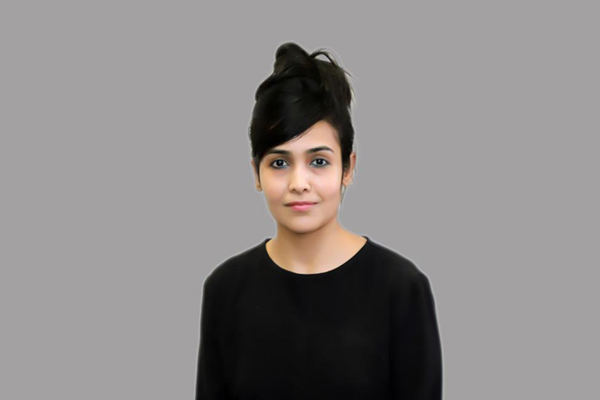
Dr. Divya
Psychiatrist
10+ years combining clinical psychiatry expertise with healthcare management for holistic treatment.
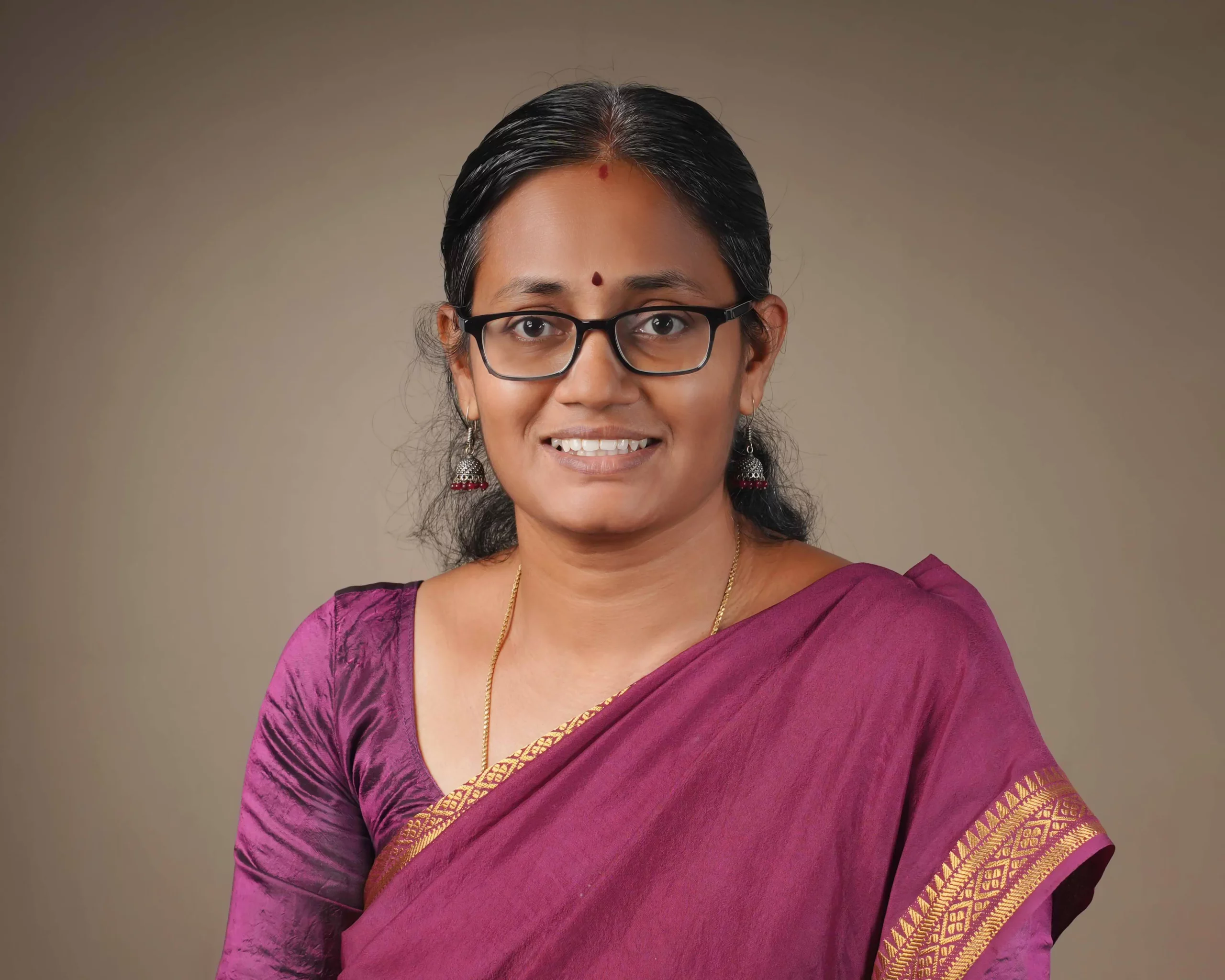
Dr. Malarvilzhi
Residential Medical Officer
12 years delivering comprehensive medical care in psychiatric and rehabilitation settings.
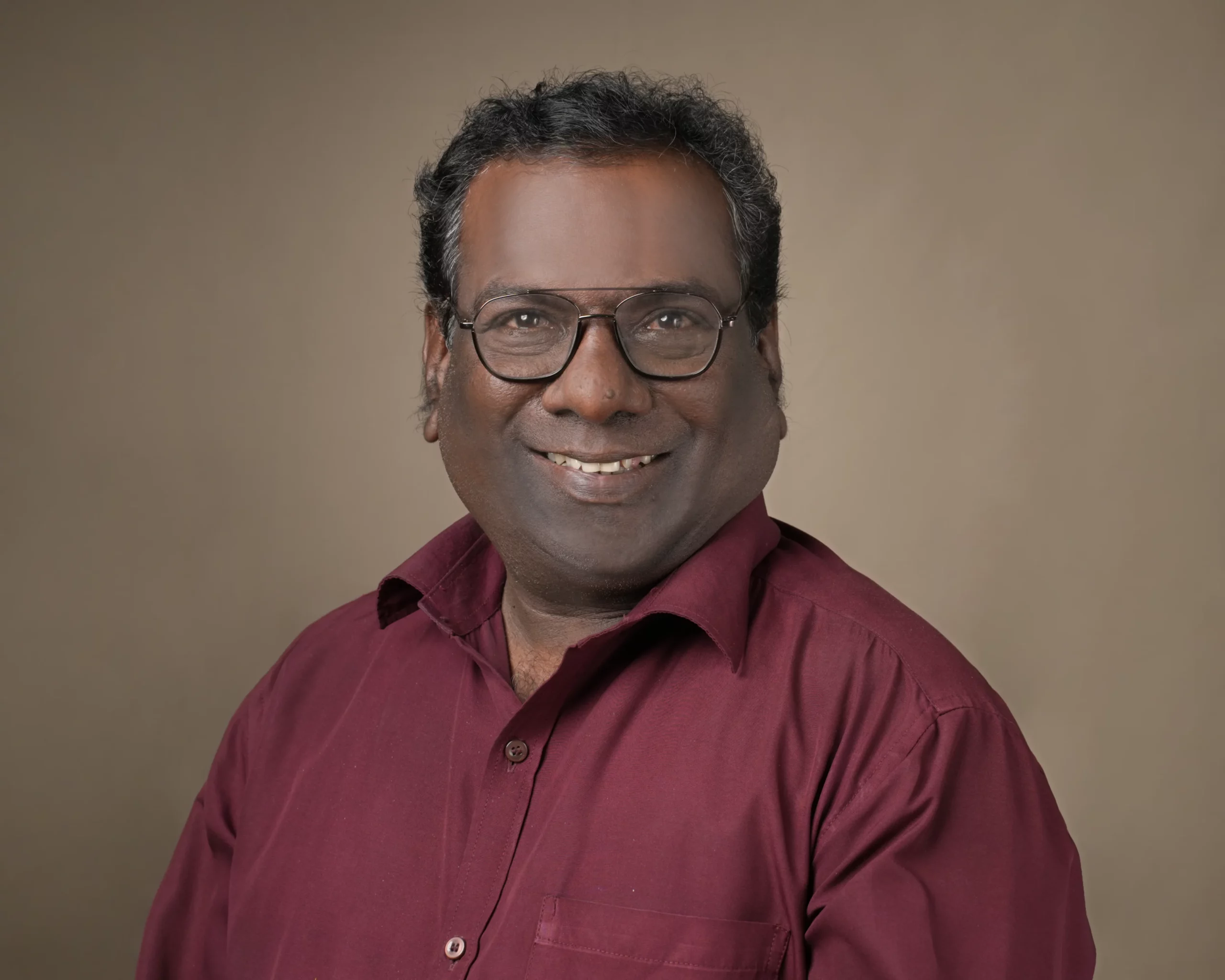
Dr. Karuppachamy
Senior Psychiatric Social Worker
22+ years of experience empowering clients through therapeutic guidance, psychosocial support, and lived-experience wisdom.
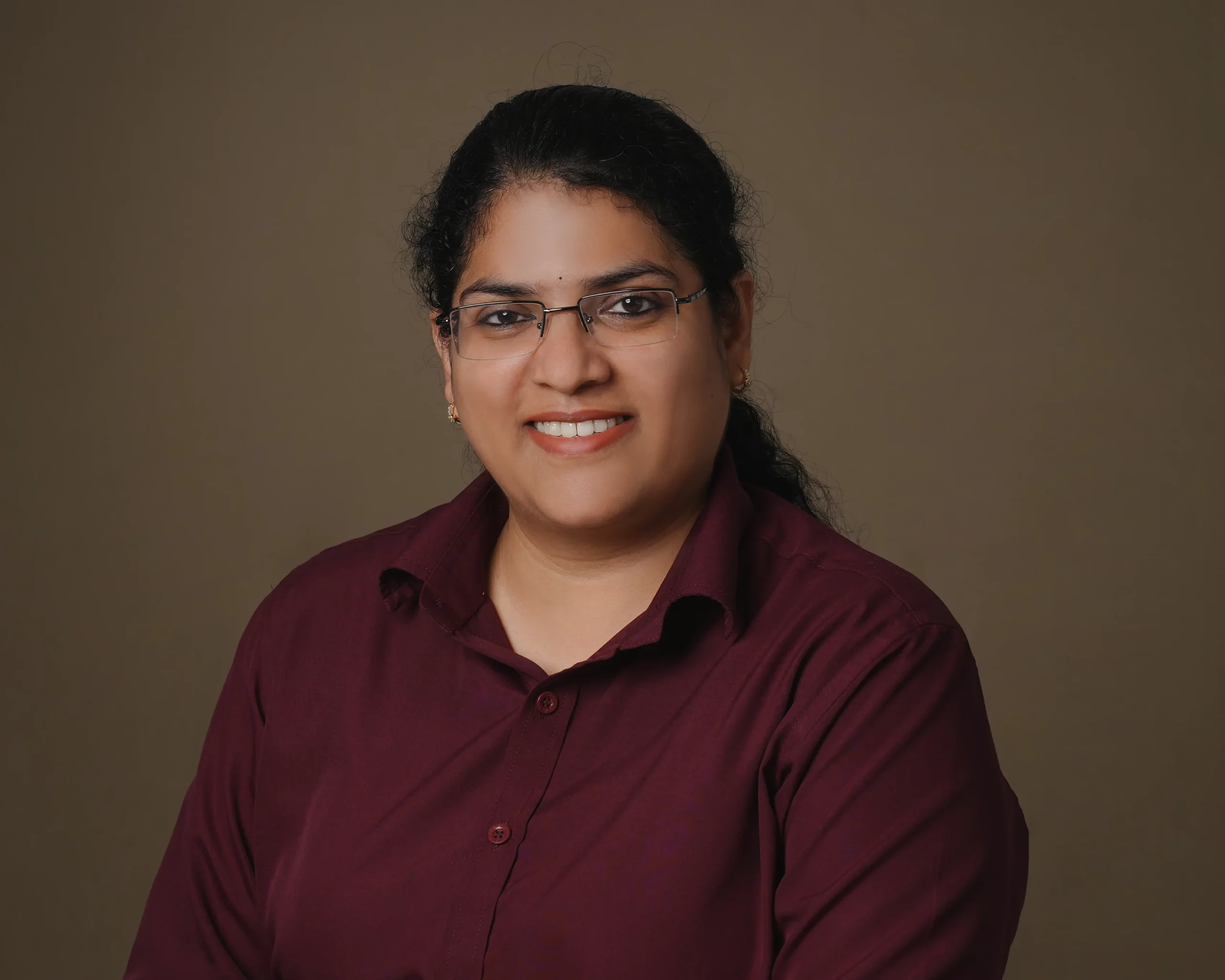
Ms. Meera
Senior Clinical Psychologist
9+ years specializing in psychological assessment and evidence-based therapeutic interventions.
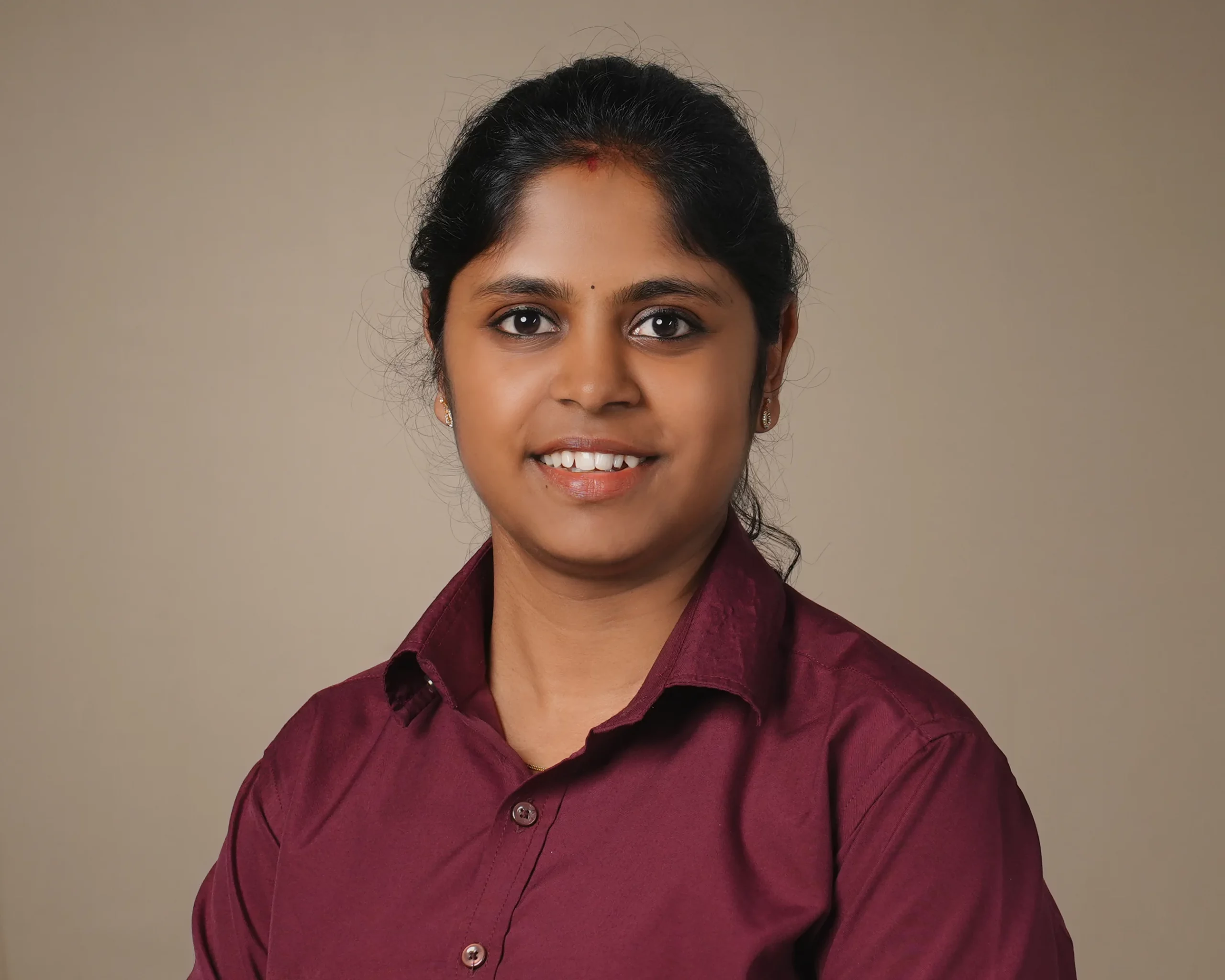
Mrs. Priyadarshini
Head Clinical Psychologist
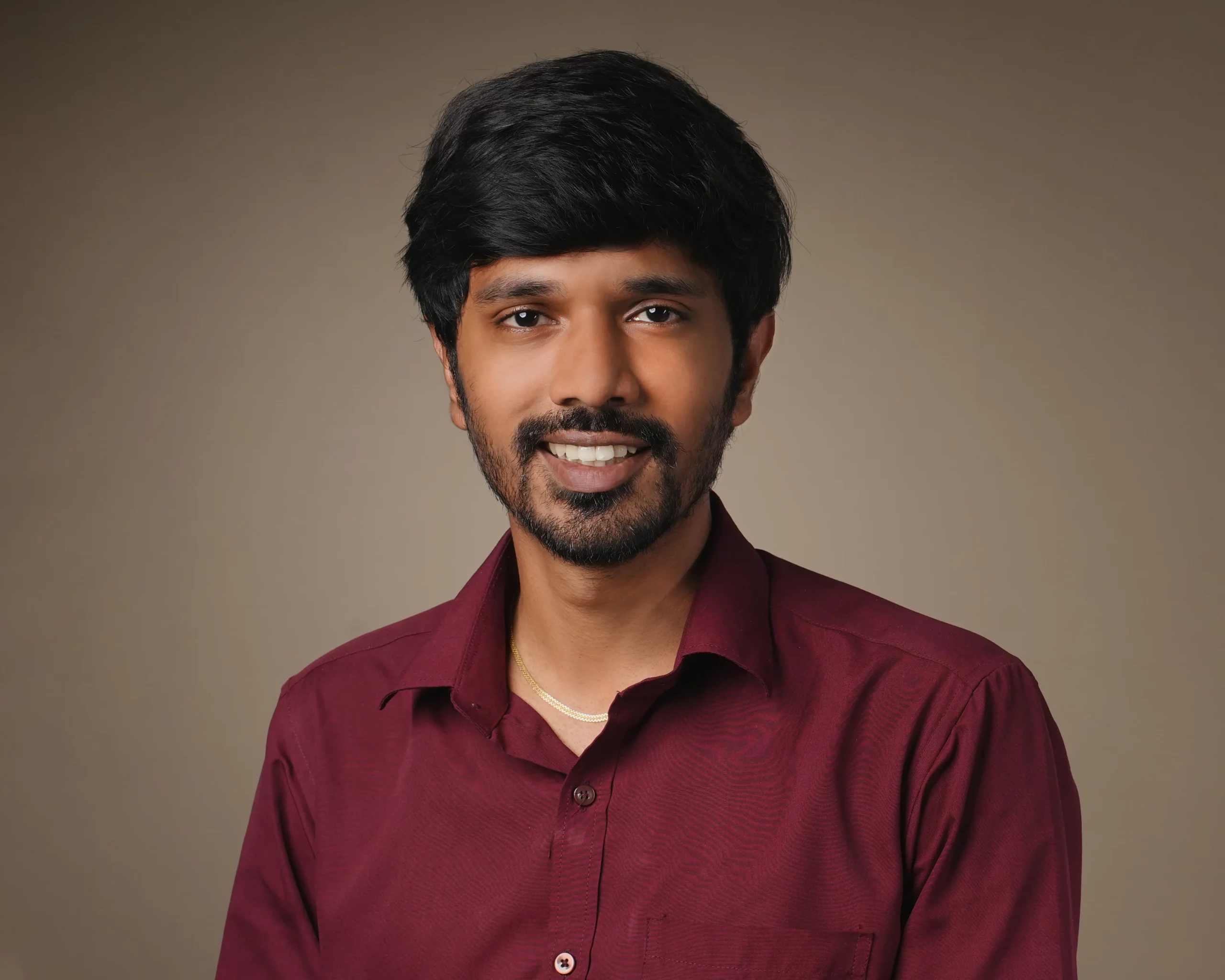
Mr. Mukesh Kanna
Clinical Psychologist
2+ years providing psychological interventions for behavioral health and emotional wellness.
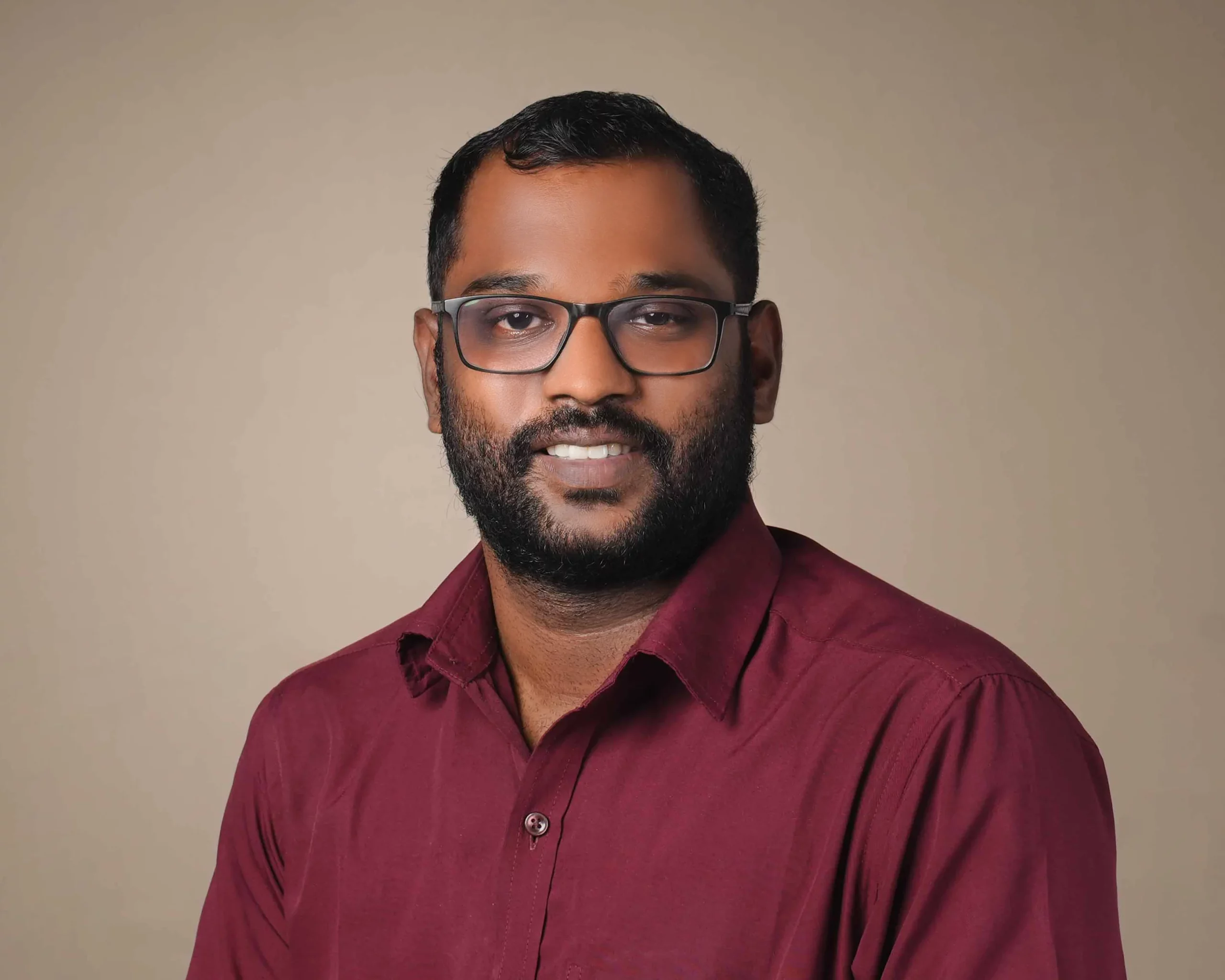
Mr. Antipas Jayabal
Clinical Psychologist
2+ years supporting clients through clinical assessment and therapeutic care.
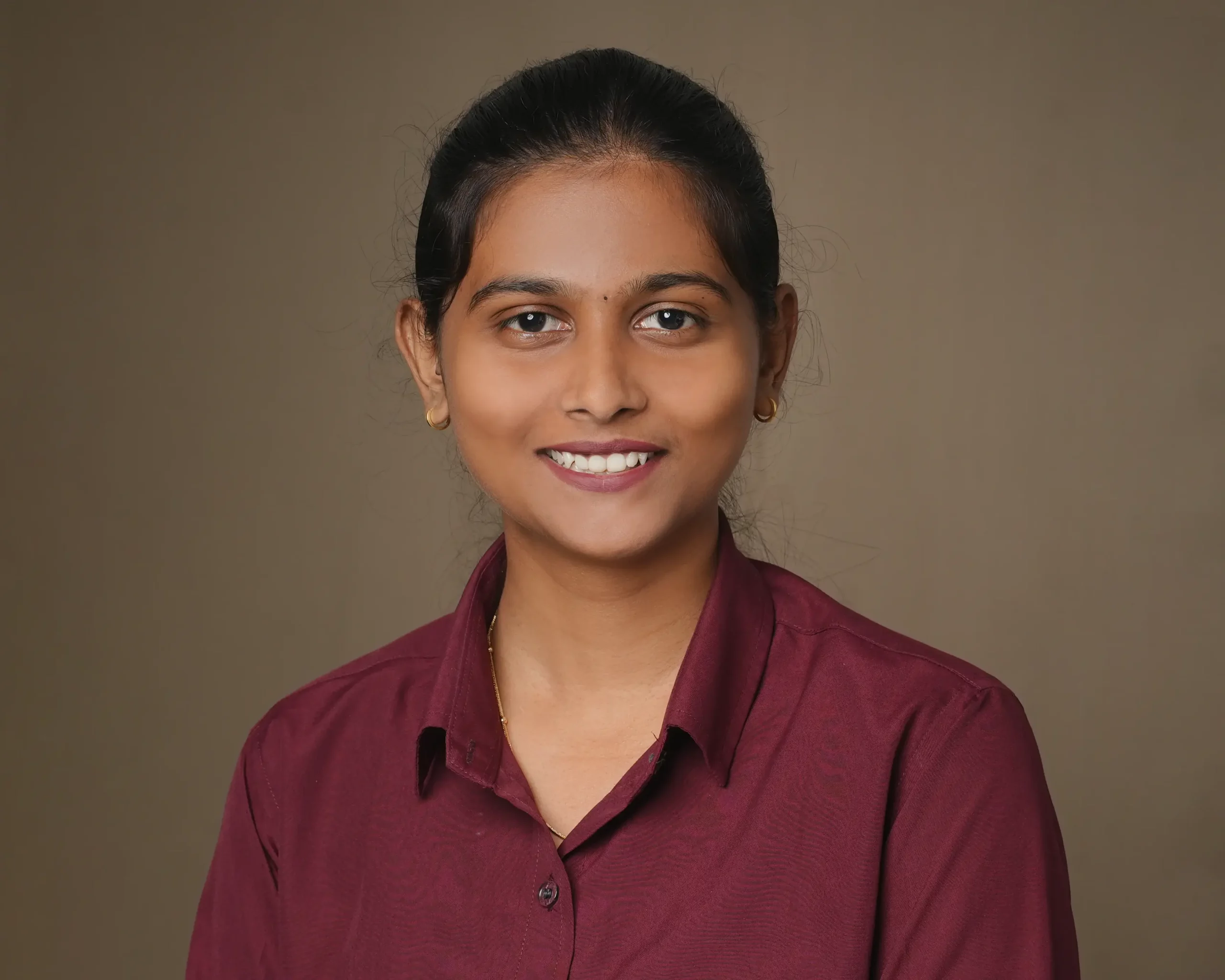
Ms Keerthana S
Psychologist
Empathetic psychologist with 4 years’ experience in handling mental health disorders, using evidence-based psychotherapies for personalized client care.
Inside Our Residential OCD Programme
Why Our OCD Residential Programme Feels Different
If you imagine most OCD recovery programmes involve controlling behaviours or reducing triggers, you are not alone. Many centres take that surface-level approach. At Abhasa, we work differently.
We don’t just look at what someone does. We take time to understand what’s driving the compulsions and help each person find practical ways to shift those patterns. At our residential centre, we focus entirely on OCD, offering steady guidance to rebuild confidence, form healthier routines, and feel more at ease in daily life.
Understanding the Mind Behind the Rituals
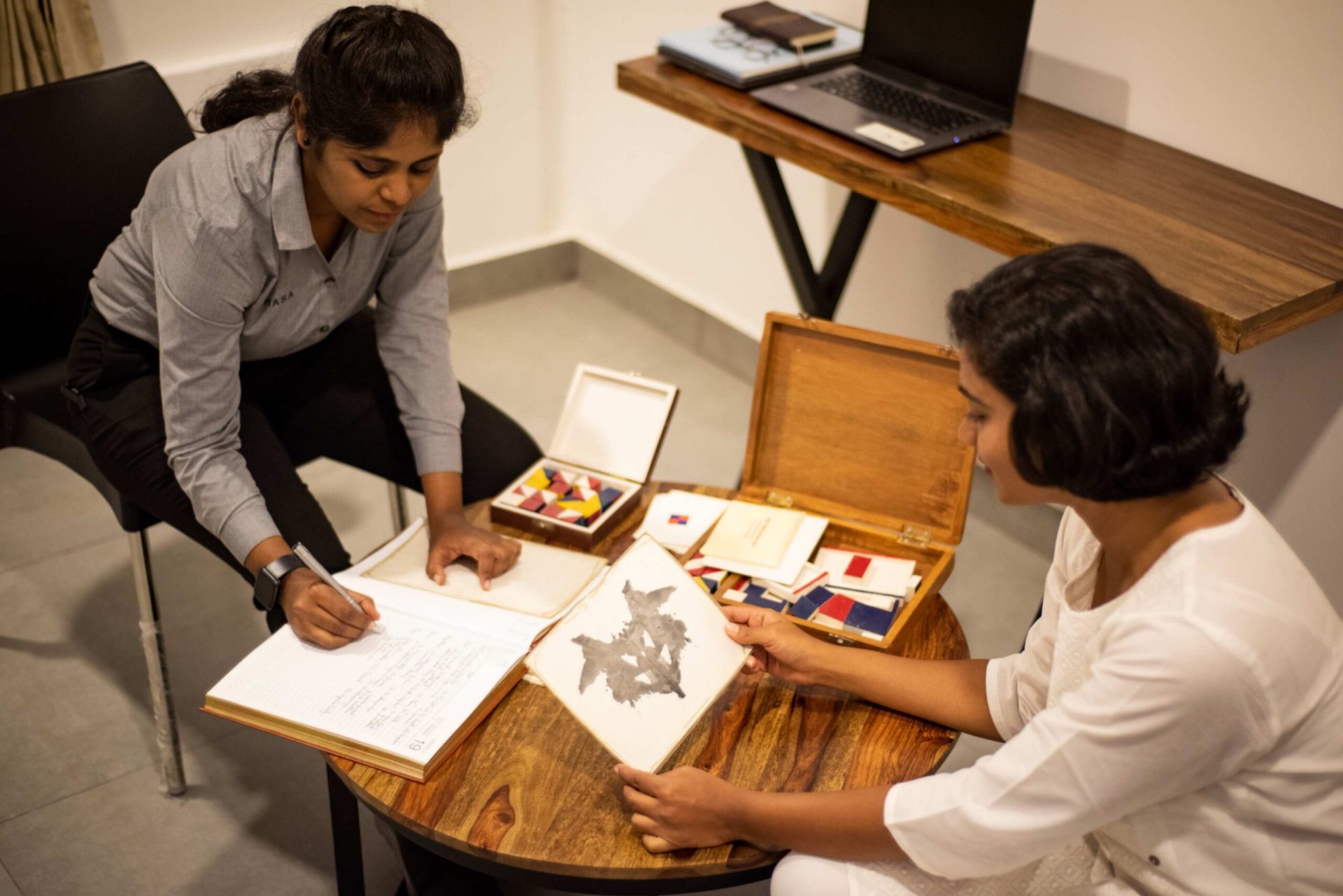
We begin by listening closely and observing. Our process starts with deep emotional and behavioural mapping. Before we introduce any strategy, we take the time to understand each person’s OCD patterns, emotional triggers, and compulsive cycles.[3]
We use clinical insights alongside client narratives to shape the base of our structured ocd treatment plan. This helps us treat the person, not just the pattern.
Creating a Plan That Moves With You
Most programs offer fixed daily routines. At Abhasa, every structured OCD treatment plan is flexible.[2] It evolves weekly based on how the person feels, what challenges come up, and how their response to therapy grows.
Our team meets regularly to adjust sessions, rest blocks, and exposure goals, ensuring the pace of recovery feels manageable.
Recovery That Builds Layer by Layer
Recovery at our OCD residential treatment facility happens through layers. We do not only focus on resisting rituals. We teach how to sit with uncertainty, build new habits, and rewire automatic responses through the following parallel paths:
- ERP therapy: Gradual exposure supported by a responsive, daily schedule[4,5]
- Mindfulness practices: Breathwork, sensory resets, and nature walks
- Cognitive support: Journaling and reframing intrusive thought loops
- Emotional coaching: Guided sessions that improve regulation and resilience
- Family education: Teaching loved ones how to reduce reassurance cycles and increase supportive boundaries[6,7]
- Holistic wellness: Practices like movement, art, and grounding routines that calm the nervous system
Many other programmes stop at exposure. At Abhasa, we integrate every part of life into our recovery framework because we know OCD impacts everything from morning routines to relationships. We aim to guide clients step by step, with care, structure, and space to grow. If you are looking for a structured OCD treatment plan that adapts to the person, not the other way around, this is where the journey begins.
A Day at Abhasa – Inside Residential OCD Treatment
Many people arrive at Abhasa after spending months in cycles of overwhelming thoughts and rituals. Their routines feel chaotic, their sleep feels fragmented, and their minds stay on high alert. One of the first steps toward recovery is restoring rhythm. That is why every part of the day follows a gentle, intentional flow. This structure helps clients regain a sense of stability and peace.[2]

Unlike environments that overlook the importance of daily consistency, we treat routine as a form of therapy. Our structured OCD treatment creates a calm pace, where each moment supports emotional regulation and self-trust.
Mornings begin with guided breathing and gentle movement. Clients then follow a hygiene routine and have a quiet, mindful breakfast. This slow start signals safety and focus to the nervous system.
The core of each day includes exposure sessions, one-on-one therapy, and group discussions.[2] Our team plans these activities with breaks between them so each person can absorb what they learn without feeling overwhelmed. ERP happens within this rhythm, not in isolation, making it easier to integrate into everyday life.
Clients participate in calming activities throughout the day that help them feel more connected to themselves and their environment. Whether it’s a walk outdoors, focused breathing, or creative expression, these moments ease mental strain and give emotions room to settle.
Meals follow a gentle routine and are shared in silence or soft conversation, encouraging awareness with each bite. Clients reflect through journaling as the day winds down, sometimes by simply resting in stillness. This slow close signals safety to the nervous system and prepares the body for rest. By night, the brain has space to relax and process the progress made throughout the day. This rhythm forms the foundation of daily OCD management, helping people build habits that continue after they leave our care.
Our clinical team reviews each client’s progress regularly and adjusts the plan. Some clients need more emotional processing, while others respond well to increased structure. We design each day to support where the person is right now.
At Abhasa, healing does not rely on willpower alone. It grows through a thoughtfully paced day, repeated gently until safety feels natural again.
Our OCD Treatment Programs & Therapy
At the core of our programme is exposure and response prevention, a therapy that helps clients confront distressing thoughts while resisting compulsions.[4] Each session is structured, gradual, and delivered in a safe space. Our team guides clients through real-life scenarios and imagined exposures, helping them build confidence with every step.
We embed exposure and response prevention into daily schedules, allowing the brain to practise new responses over time.[5]
Alongside ERP, we use cognitive behavioural therapy ocd to help clients recognise and change distorted thought patterns.[3] These sessions are interactive and personalised. Clients learn to challenge intrusive beliefs, replace them with realistic thoughts, and strengthen cognitive flexibility.
The power of cognitive behavioural therapy OCD lies in its simplicity. With regular practice, these strategies blend into daily life, allowing clients to respond to stress more clearly and less overwhelmed.
Mindfulness helps calm both the mind and body during recovery. At Abhasa, clients participate in simple, structured practices such as breath awareness, nature walks, and gentle body-focused techniques. These moments offer space to reset and respond more calmly when anxiety surfaces. These activities help clients build tolerance for discomfort, reduce compulsive urges, and stay grounded during exposure tasks.
When paired with exposure and response prevention, mindfulness deepens emotional resilience and supports long-term recovery.
OCD affects the entire family. We include regular sessions with caregivers, parents, or partners. These conversations help families understand OCD’s impact, learn how to respond without enabling, and create supportive home routines.[6,7]
We use elements of cognitive behavioural therapy ocd in family education to build shared language and reduce miscommunication.
Group sessions allow clients to be around others who truly get what they’re going through. These gatherings create space to share small victories, talk through challenges, and build comfort in social settings without pressure or expectation.
Group support also strengthens exposure and response prevention outcomes, as clients learn from each other’s experiences and develop accountability.
Healing the mind also requires helping the body feel safe. At our centre, every activity supports this process. Clients can access a fully equipped gym that promotes energy balance and physical strength. A basketball court helps improve focus, teamwork, and emotional regulation through movement. Board games and indoor activities strengthen social connection and tolerance for frustration, which often plays a role in compulsive behaviours.
Outdoor games and guided treks offer time in nature without pressure. Library corners provide quiet focus and help reset the mind. Our chai corner invites relaxed, low-pressure conversations that restore trust in social spaces.
The entire environment is designed with recovery in mind. Spa and salon sessions support sensory comfort. Weekly activities like pottery, bird watching, movie nights, or food truck evenings give clients a safe way to rediscover joy. Every element of this environment reinforces the gains made through cognitive behavioural therapy OCD and exposure and response prevention.
Some feelings live deeper than words. To help clients access and release emotional tension, we include art, aroma, and music therapy. These sessions reduce inner pressure and promote expression in non-verbal ways. Sound healing helps regulate the nervous system and supports the body’s recovery rhythm.
Pet-assisted therapy creates a space of trust and emotional safety. Clients interact without fear of judgment, and these moments of connection ease anxiety and help regulate stress responses.
Creative blocks are timed to follow intensive sessions like exposure and response prevention, offering emotional release in a structured, soothing format.
Blending therapy and compassion for lasting healing.
Recovery Plans That Evolve With the Person
We never hand out fixed routines or one-size-fits-all worksheets. At Abhasa, every plan is created with the client, not just for them.[3] That’s what makes our ocd treatment personalised from the very first step.
Each individual begins their journey with layered assessments, clinical charts, real-world observations, and emotional cues. We look at how compulsions appear daily, what fuels them, and how the person reacts to structure. This helps us understand more than patterns. It helps us know the person.
We use these insights to design individual ocd therapy plans that respond to how the client moves through each stage. The plan shifts, grows, and adjusts based on lived experience not just textbook checklists.

OCD doesn’t look the same in any two people. That’s why our OCD treatment personalised process begins by identifying emotional and environmental triggers. We observe what happens before a compulsion, what keeps it going, and what lies beneath the surface.
This helps us build detailed compulsion maps, which guide the structure of individual ocd therapy. These maps form the basis for exposure planning and emotional coaching.

We don’t rush ERP. We break it down into clear, manageable phases.[4,5] Individual OCD therapy plans include scheduled ERP sessions that gradually increase in intensity based on how the person is coping and responding. This careful pacing helps avoid overwhelm and builds confidence session by session.

Every win matters. That’s why we measure daily shifts, not just major milestones. Our OCD treatment personalised approach includes emotional tracking, behaviour logs, and therapist feedback to understand what’s working and where support is needed.
These insights inform weekly adjustments so care always stays aligned with the person’s needs.

We prepare for the future while treating the present. Individual OCD therapy plans include custom relapse-prevention strategies; tools clients can use when they feel old patterns returning. We teach safety cues, emergency routines, and grounding practices they can take home.
By the time clients complete their stay, their OCD treatment personalised plan becomes a roadmap for life outside rehab. It includes coping strategies, support tools, and family guidance.

Healing isn’t one-size-fits-all.
Standing With the Family, Not Just the Individual

Living with OCD often affects the entire household. Uncertainty, fatigue, and emotional strain begin to show even in the most caring families. Our approach at Abhasa includes families as part of the structured care plan.[7] Family OCD support begins when caregivers feel seen, guided, and involved.
We include OCD family therapy in every recovery plan because healing becomes stronger when the entire system receives support.

We provide regular, clear updates to keep you involved. Daily summaries show your loved one’s activities, emotional shifts, and responses to therapy. Weekly phone check-ins create space to ask specific questions. Monthly clinical reviews allow us to align everyone on progress and next steps. These updates ensure family OCD support remains steady, open, and helpful.

We offer family education sessions that explain the patterns and triggers behind OCD. You will understand how rituals form, why they repeat, and how specific reactions can support or stall progress.[6] These sessions create the foundation for effective OCD family therapy by making the condition feel less mysterious and more manageable.

Our therapy team guides families through practical tools that build trust and reduce tension. You will learn to establish healthy boundaries., listen with empathy, and hold space during challenging moments. These communication skills become part of long-term family OCD support and help prevent conflict during recovery.

We provide family counselling sessions where everyone can speak honestly and reconnect. These sessions focus on shared healing. Families work through past misunderstandings, express emotions safely, and rebuild the emotional connection that OCD may have strained. This work lies at the heart of meaningful ocd family therapy.[7]

Our team helps families create supportive routines and adapt to their surroundings in simple, realistic ways. Whether you adjust daily interactions or change small parts of your space, these changes lower anxiety at home. Through our coaching and guidance, family OCD support becomes part of everyday life.[6]
Recovery grows stronger with family support.
Safe, Healing Environment for OCD Recovery

Healing Begins in a Calm, Private Environment
At Abhasa, recovery starts with safe, calm, and intentional surroundings.
Tucked away from the rush and noise of daily life, our private OCD treatment centre offers the quiet that many clients need. The calm, green, and open setting helps ease the constant alertness that OCD can bring. Tree-shaded walkways and serene outdoor spaces offer more than just fresh air; they help quiet the mind. Clients use the outdoor spaces in ways that feel personal and grounding. Whether part of a session or just taking a quiet moment alone, the gardens and open areas offer calm surroundings that make it easier to steady the mind and ease compulsive thoughts. Within our luxury OCD facilities, we also provide spa corners, meditation rooms, and well-maintained pathways where mindfulness becomes a part of daily living.
Privacy, Comfort, and Structure That Supports Recovery
Every element inside our private OCD treatment facility focuses on safety and comfort. From secure access points to 24/7 monitoring, clients always feel protected. Their confidentiality remains fully respected, with all personal information kept private and care plans shared only with consent.
Living spaces include luxury private suites with modern amenities and a sense of calm in their design. Whether resting, journaling, or preparing for therapy, these rooms give clients a peaceful place to unwind. The common areas across our luxury OCD facilities include reading nooks, lounges, and tea corners that encourage light social interaction without pressure.
The right space can quiet the mind and support recovery.
OCD Treatment Success Stories & Testimonials
Life After OCD Treatment: Stories That Inspire
At Abhasa, recovery means more than easing symptoms. It means reclaiming a life with clarity and purpose. One young man who once felt trapped by compulsions now handles his career calmly and confidently. His journey toward OCD recovery success began with structure, support, and care tailored to his needs.
Another family shared how OCD family therapy helped them reconnect. Tension in their home softened into understanding. They learned to communicate and support without judgment. Their house now feels like a place of healing.
These stories reflect the true heart of life after OCD treatment. Clients return to education, strengthen relationships, and enjoy moments they once feared.[2] Months later, we often receive updates that speak of small but meaningful wins.
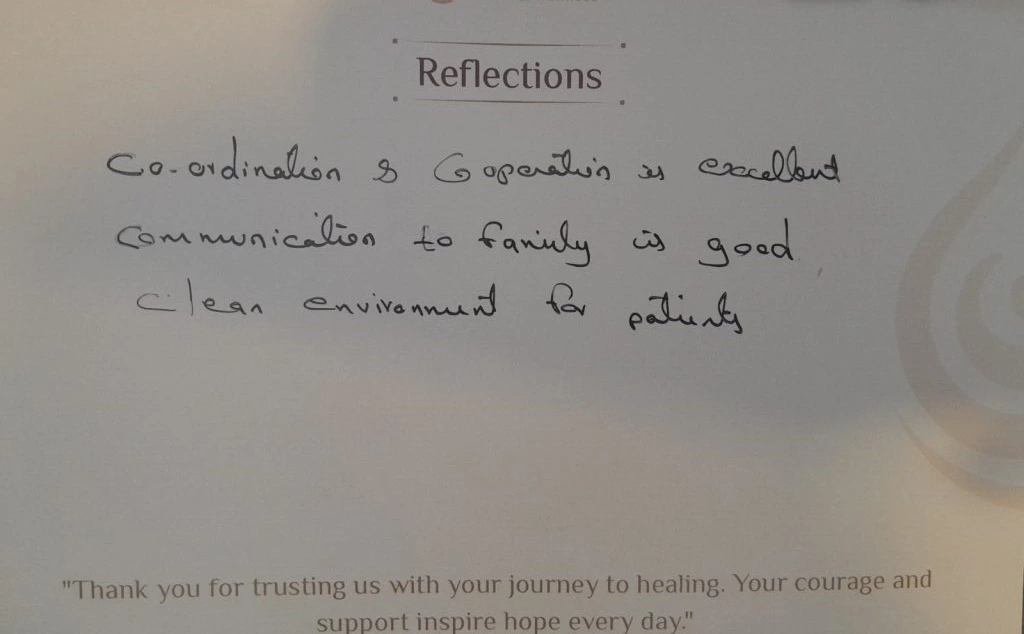
Co-ordination & cooperation is excellent. Communication to family is good. Clean environment for patients.
Former Client
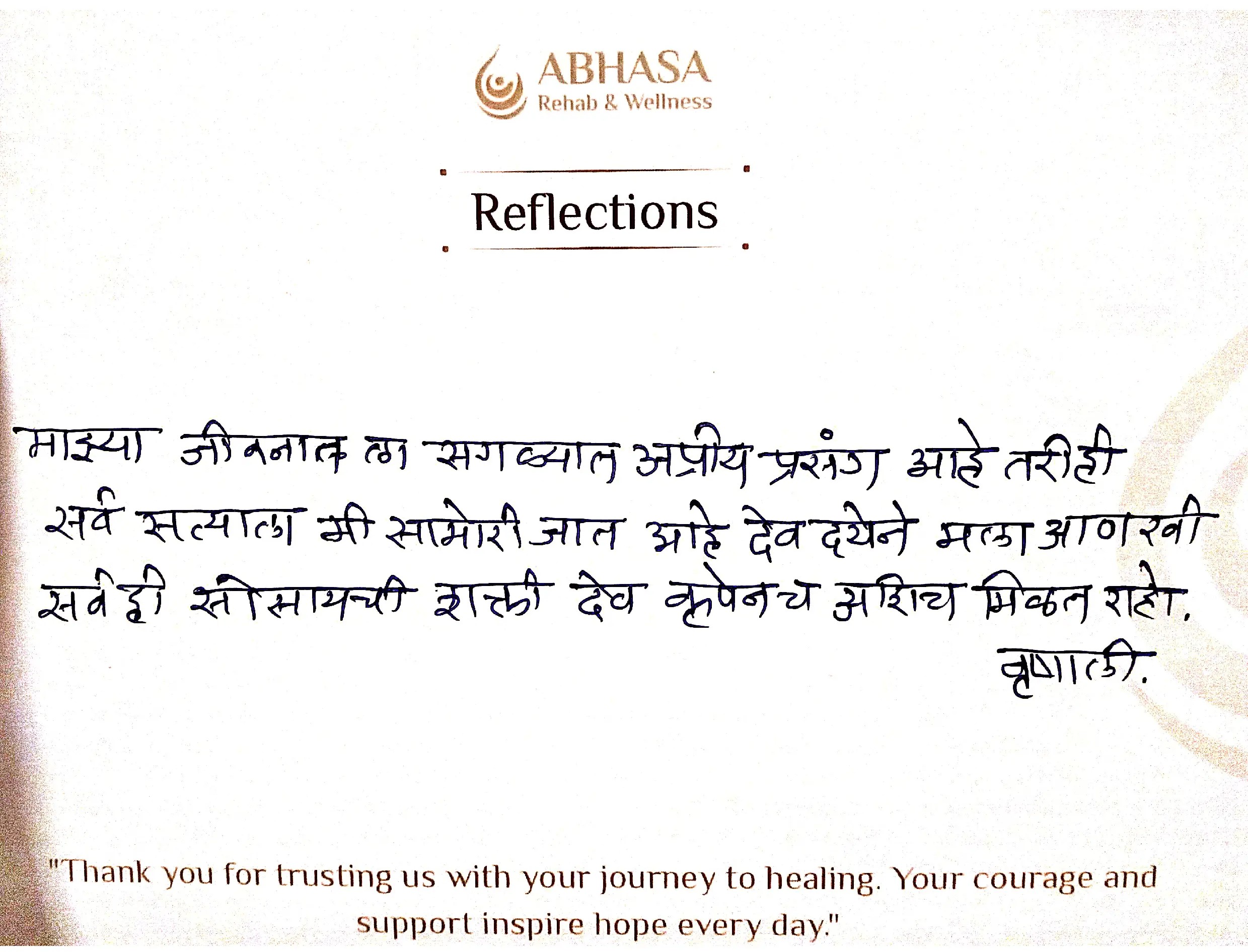
I found strength to face life’s hardest truths here. I believe it was God’s grace that brought me to Abhasa.
Former Client
Healing takes time, but the right care lasts.
Frequently Asked Questions on OCD Treatment & Recovery
Can a person with OCD live a happy life?
Yes, many people living with OCD go on to lead fulfilling, peaceful lives.[2] With the proper support, including personalised care at trusted OCD rehabilitation centres, emotional strength and balance can be restored.
What is the best treatment for OCD in India?
The best OCD treatment in India often involves a mix of structured therapy, family education, and continuous support.[3,4] At Abhasa, we use evidence-based models like CBT and ERP within a calming environment that encourages real progress.
What is the 15-minute rule in OCD?
The 15-minute rule encourages clients to delay compulsive behaviours for 15 minutes. This method helps reduce the intensity of urges over time and supports independence through structured strategies.
Does family therapy help with OCD?
Yes. Family OCD support can create a more stable environment by reducing tension at home and improving communication. That’s why Abhasa includes family sessions in every personalised plan.
Which is the best therapy for OCD?
Most experts agree that Exposure and Response Prevention (ERP) is one of the most effective tools in managing compulsions.[4] Combined with CBT, it forms the foundation of the best OCD treatment approaches.
How long does OCD residential treatment take?
It varies from person to person. Most programs at OCD rehabilitation centres last between 30 to 90 days. Duration depends on symptom patterns, personal goals, and the pace of emotional readiness.
What foods are good for OCD?
While food alone is not a treatment, a nutrient-rich diet with whole grains, leafy greens, and omega-3s can support emotional regulation. At Abhasa, meals are curated to promote well-being alongside therapy.
Where should I go if I have OCD?
You deserve care in a safe, structured, and supportive space. Abhasa is among India’s leading OCD rehabilitation centres, designed for people seeking calm, consistent healing.
Can I live an everyday life with OCD?
Absolutely. OCD recovery success stories show that with the right tools and support, people rediscover joy, manage responsibilities, and nurture their relationships
Your Next Step Toward OCD Recovery Begins Here
If you have been searching for the best OCD treatment centres, you are already one step closer to change. At Abhasa, we welcome you into a space where healing feels calm, structured, and deeply personal.
Whether you are reaching out for yourself or a loved one, we simplify the process. Our team will walk with you, answer every question, and offer a free family consultation to help you feel supported from day one.
As a trusted name in OCD treatment in India, our care begins the moment you contact us. We respond quickly because we know how heavy the waiting can feel.
Spaces are limited to preserve personalised attention. If you’re ready, we are here.
The hardest step is reaching out, after that, you’re not alone.
Proudly Serving Across Cities
- Rehab in Karjat
- Rehab in Pune
- Rehab in Navi Mumbai
- Rehab in Madurai
- Rehab in Trichy
- Rehab in Bangalore
- Rehab in Chennai
- Rehab in Thane
- Rehab in Nasik
- Rehab in Kochi
- Rehab in Mangalore
- Rehab in Mysore
- Rehab in Hyderabad
- Rehab in Vijayawada
- Rehab in Visakhapatnam
- Rehab in Delhi
Medical Disclaimer
This information is for educational purposes only and does not constitute medical advice, diagnosis, or treatment. Obsessive-compulsive disorder (OCD) is a complex mental health condition that requires professional evaluation and treatment. Individual treatment needs vary significantly based on symptom severity, treatment history, co-occurring conditions, and personal circumstances.
The information presented here describes Abhasa’s residential treatment approach but should not be used as a substitute for consultation with qualified mental health professionals. Treatment outcomes vary by individual, and no specific results can be guaranteed. The effectiveness of residential treatment depends on multiple factors including symptom severity at admission, treatment adherence, family support, and individual response to therapy.
Always seek the advice of qualified healthcare providers with questions about mental health conditions and treatment options. If you are experiencing a mental health crisis or emergency, contact emergency services immediately or go to the nearest emergency room.
This content does not replace professional clinical assessment or medical advice from licensed practitioners.
Author: Abhasa Rehab and Wellness, Reviewed by: Dr. Naveen Kumar, MBBS, DPM (Psychiatry), Last Updated: December 2025
Author: Abhasa Rehab and Wellness,
Reviewed by: Dr. Naveen Kumar, MBBS, DPM (Psychiatry),
Last Updated: December 2025
RESOURCES - Complete List (15 Authoritative Sources)
Research Citations
[1] Reddy, Y.C.J., Rao, N.P., & Khanna, S. – “An overview of Indian research in obsessive compulsive disorder” – Indian Journal of Psychiatry, 2010
URL: https://pmc.ncbi.nlm.nih.gov/articles/PMC3146215/
Source Type: Peer-reviewed systematic review
Why Included: Comprehensive overview of OCD research in Indian populations, symptom patterns, comorbidity
[2] Veale, D., et al. – “Outcomes for residential or inpatient intensive treatment of obsessive–compulsive disorder: A systematic review and meta-analysis” – 2016
URL: https://www.sciencedirect.com/science/article/abs/pii/S2211364915300269
Source Type: Peer-reviewed meta-analysis (19 studies, 2,306 participants)
Why Included: Gold standard evidence for residential treatment effectiveness, showing large effect sizes (Hedges g = 1.87) and mean improvement of 10.7 points on Y-BOCS
[3] Twohig, M.P., et al. – “Cognitive-Behavioral Therapy for Obsessive-Compulsive Disorder” – PMC, 2024
URL: https://pmc.ncbi.nlm.nih.gov/articles/PMC11170287/
Source Type: Peer-reviewed comprehensive review (2024 – most recent)
Why Included: Latest evidence on CBT for OCD with strong evidence base, includes individualized treatment approaches
[4] International OCD Foundation – “Exposure and Response Prevention (ERP)” – 2025
URL: https://iocdf.org/about-ocd/treatment/erp/
Source Type: Professional OCD-focused organization (Gold standard)
Why Included: Most authoritative source for ERP explanation, mechanism, and evidence base. IOCDF is the leading OCD organization globally
[5] Olatunji, B.O., et al. – “Exposure and Response Prevention in the Treatment of Obsessive-Compulsive Disorder: Current Perspectives” – PMC, 2019
URL: https://pmc.ncbi.nlm.nih.gov/articles/PMC6935308/
Source Type: Peer-reviewed systematic review
Why Included: Comprehensive review showing 50-60% clinically significant improvement rates, neural mechanisms, treatment protocols
[6] Yale School of Public Health – “About Family Accommodation”
URL: https://ysph.yale.edu/familyaccommodationocd/about/
Source Type: Academic research center (Yale University)
Why Included: Leading research on family accommodation in OCD showing 60-97% prevalence in families, impact on treatment outcomes. Yale is the authority on this topic
[7] Thompson-Hollands, J., et al. – “Family involvement in the psychological treatment of obsessive-compulsive disorder: A meta-analysis” – PMC, 2014
URL: https://pmc.ncbi.nlm.nih.gov/articles/PMC4086156/
Source Type: Peer-reviewed meta-analysis
Why Included: Demonstrates family involvement produces large effect sizes in OCD treatment, comprehensive evidence for family therapy benefits
[8] Healthcare Success – “Mastering Google E-A-T for Healthcare Content” – 2025
URL: https://healthcaresuccess.com/blog/healthcare-marketing/google-e-a-t-and-healthcare-content-how-to-deliver-the-quality-google-demands.html
Source Type: Healthcare marketing authority
Why Included: Current guidance on E-E-A-T requirements for medical content, explains necessity of appropriate medical expertise and accreditation
[9] International OCD Foundation – “OCD Treatment Guide: Best Evidence-Based Therapies, Medications, and New Advances” – 2025
URL: https://iocdf.org/about-ocd/treatment/
Source Type: Professional OCD organization (Gold standard)
Why Included: Comprehensive treatment guidelines, first-line treatment recommendations, evidence-based standards. Most authoritative source for OCD treatment information
[10] Yoast – “What are YMYL websites? How does Google evaluate these?” – 2023
URL: https://yoast.com/what-are-ymyl-websites/
Source Type: Professional SEO authority
Why Included: Clear explanation of YMYL requirements for mental health content, Google’s evaluation standards
[11] Search Engine Land – “What is YMYL? Google’s high-stakes content category” – 2025
URL: https://searchengineland.com/guides/ymyl
Source Type: Industry-leading SEO publication (2025 – current)
Why Included: Most current guidance on YMYL category requirements, explains why health/medical topics receive highest scrutiny
[12] Stewart, S.E., et al. – “Intensive residential treatment for severe obsessive-compulsive disorder” – PMC, 2014
URL: https://pmc.ncbi.nlm.nih.gov/articles/PMC4112460/
Source Type: Peer-reviewed research (281 participants)
Why Included: Large study demonstrating effectiveness of intensive residential treatment for severe, treatment-resistant OCD
[13] Albert, U., et al. – “Family accommodation in obsessive-compulsive disorder: An updated systematic review and meta-analysis” – 2024
URL: https://www.sciencedirect.com/science/article/abs/pii/S0149763424001477
Source Type: Peer-reviewed meta-analysis (2024 – most recent)
Why Included: Most recent comprehensive review of family accommodation research, shows reduction through treatment
[14] McLean Hospital – “What Is ERP Therapy? A Guide to OCD’s Leading Treatment”
URL: https://www.mcleanhospital.org/essential/erp
Source Type: Harvard Medical School affiliated academic medical center
Why Included: Authoritative source from top-tier academic hospital, reports 75% effectiveness rates for ERP
[15] Varn Health – “Creating YMYL and EEAT Content for Pharma and Healthcare Brands” – 2024
URL: https://varnhealth.com/industry-insights/creating-ymyl-and-eeat-content-for-pharma-and-healthcare-brands/
Source Type: Healthcare content specialists
Why Included: Healthcare-specific YMYL guidance, explains higher scrutiny for treatment information